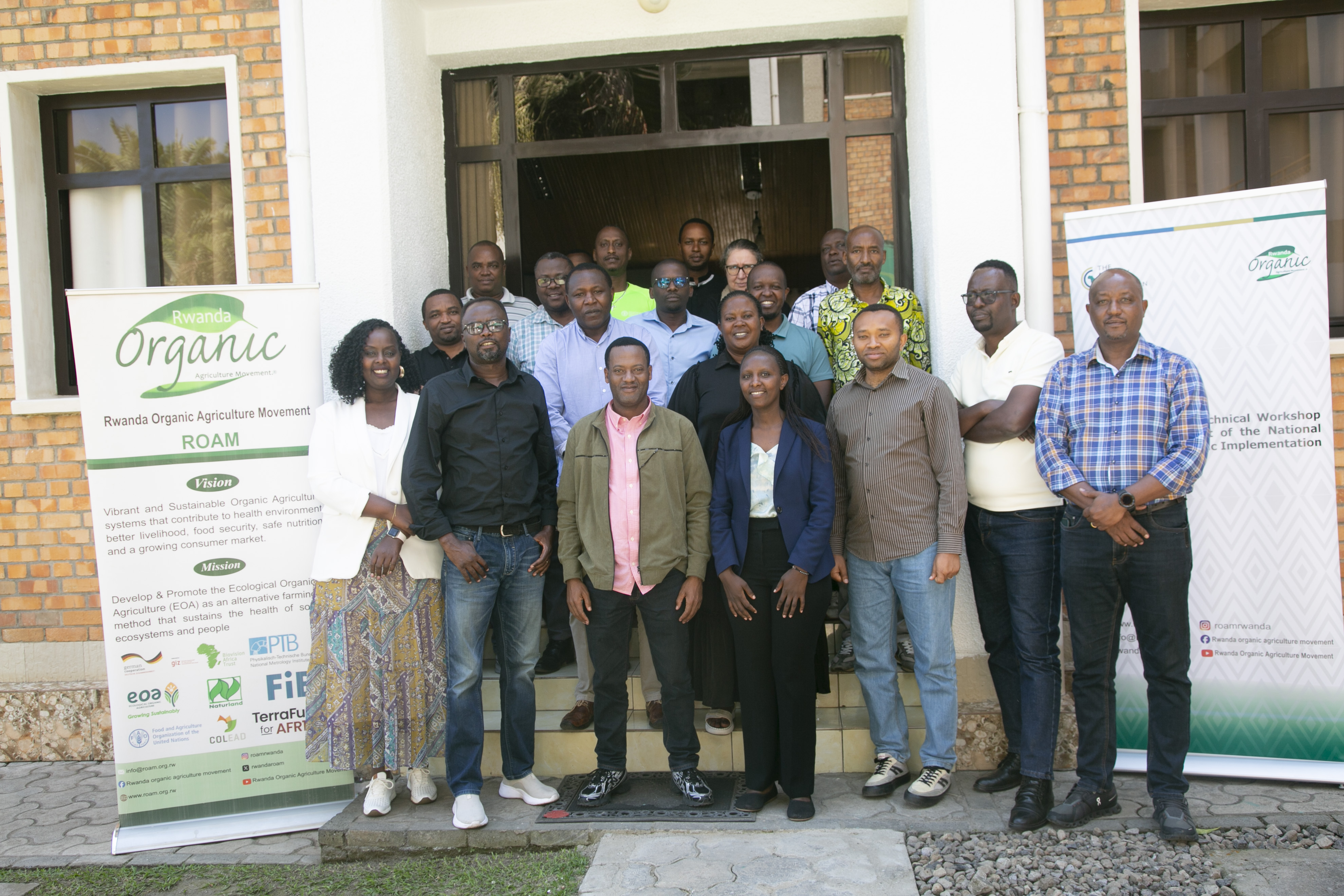
Rwanda Advances Agroecology Agenda Through the Development of the strategy for mainstreaming agroecology for Rwanda's agri-food system transformation
The Ministry of Agriculture and Animal Resources (MINAGRI), in partnership with Rwanda Organic Agriculture Movement (ROAM) organized the 1st Consultative and Technical Workshop on the Development of the National Agroecology Strategy and Implementation Plan (2026-2030). The two-days' workshop took place from 26–27 May 2026 at La Palisse Hotel, Nyamata in Bugesera District.
The objective of the workshop was to provide an opportunity for participants to exchange technical information and research findings, identify strategic priority areas and relevant of interventions and agree on the roadmap for the development of the strategy. Ultimately the workshop-built consensus on the strategic direction and lay the foundation for drafting a comprehensive and inclusive National agroecology strategy and its implementation plan aligned with the context and priorities of Rwanda’s agricultural sector.
This milestone builds on the outcomes of the 2nd National Agroecology Symposium held in 2025, which sparked national dialogue under the theme “Fostering Dialogue on Building Resilient and Sustainable Food Systems through Agroecology in Rwanda.”, where participants recommended the development to have a National Agroecology Strategy.
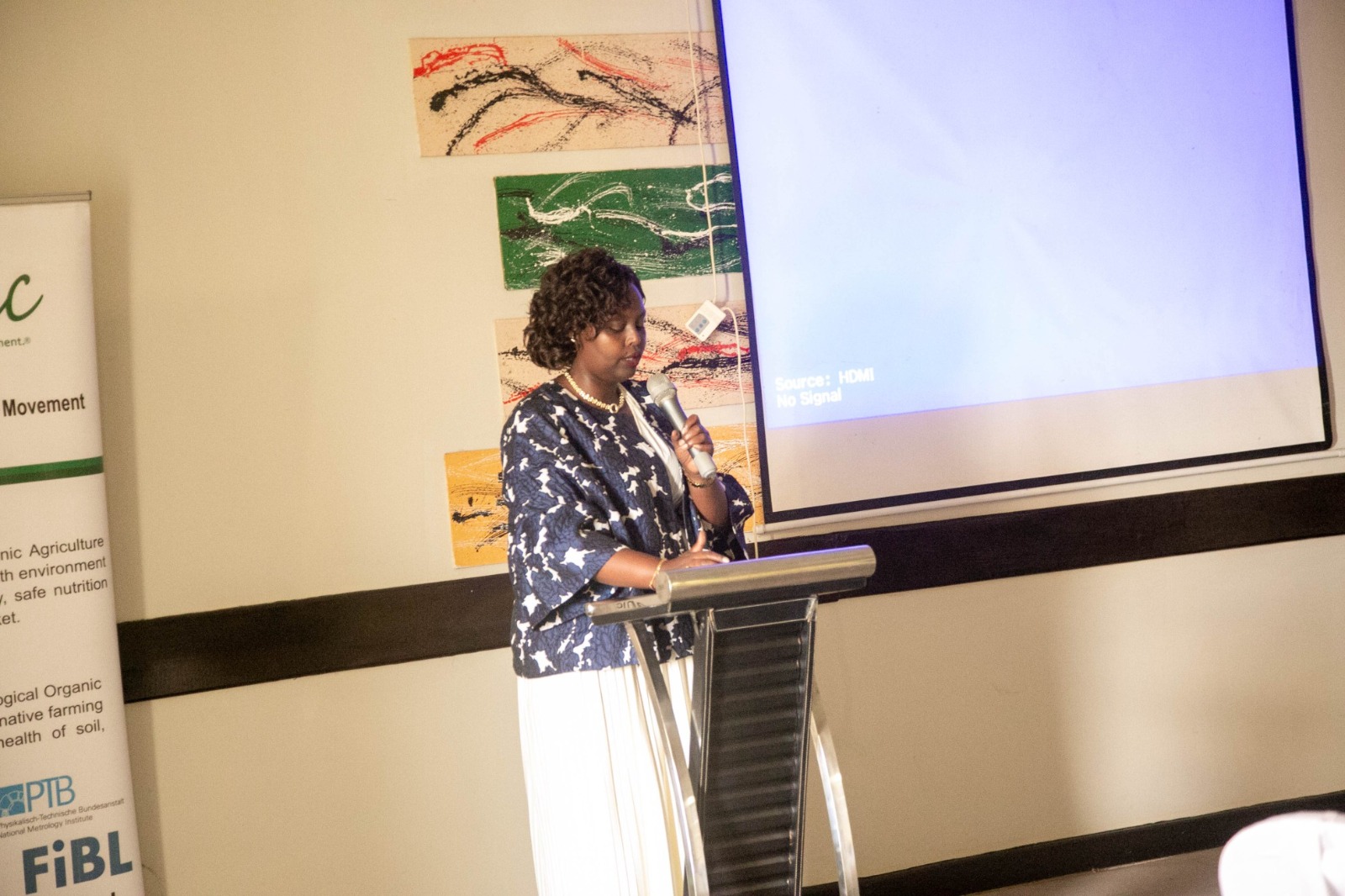
In her welcoming remarks, Lise Chantal Dusabe, Chief Executive Officer of ROAM, underscored the importance of developing a National Agroecology Strategy as a cornerstone for transforming Rwanda’s agricultural systems into more sustainable, inclusive, and climate-resilient models.
She expressed deep appreciation to partners including the African Climate Foundation (ACF), which provided the financial support to develop the strategy, Rwanda Climate Change Development Network (RCCDN) for their collaboration and finally to MINAGRI for their acceptance to lead and coordinate the process. She also mentioned that having the National Agroecology Strategy is a critical step forward in shaping a collective national vision.
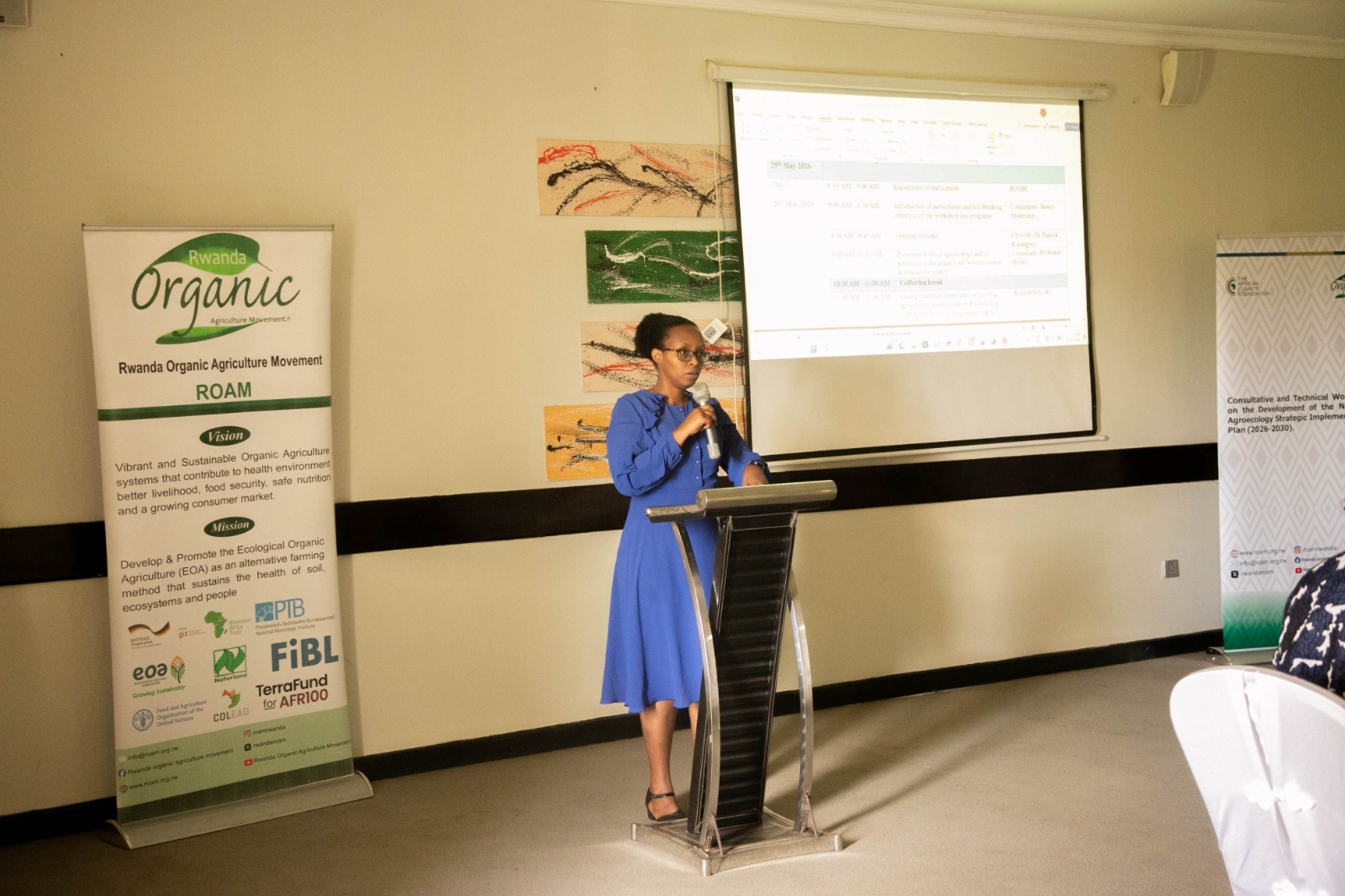
In her presentation, the Director General of Planning Dr. Chantal Ingabire from MINAGRI commended ROAM for initiating this important process and for successfully organizing a well-coordinated two-day consultation workshop. She emphasized that building an effective agroecology strategy requires broad and inclusive consultations, bringing together all relevant stakeholders. She further stressed that the emerging strategy must align with national frameworks such as NST2 and PSTA5, ensuring coherence with Rwanda’s broader agricultural transformation agenda.
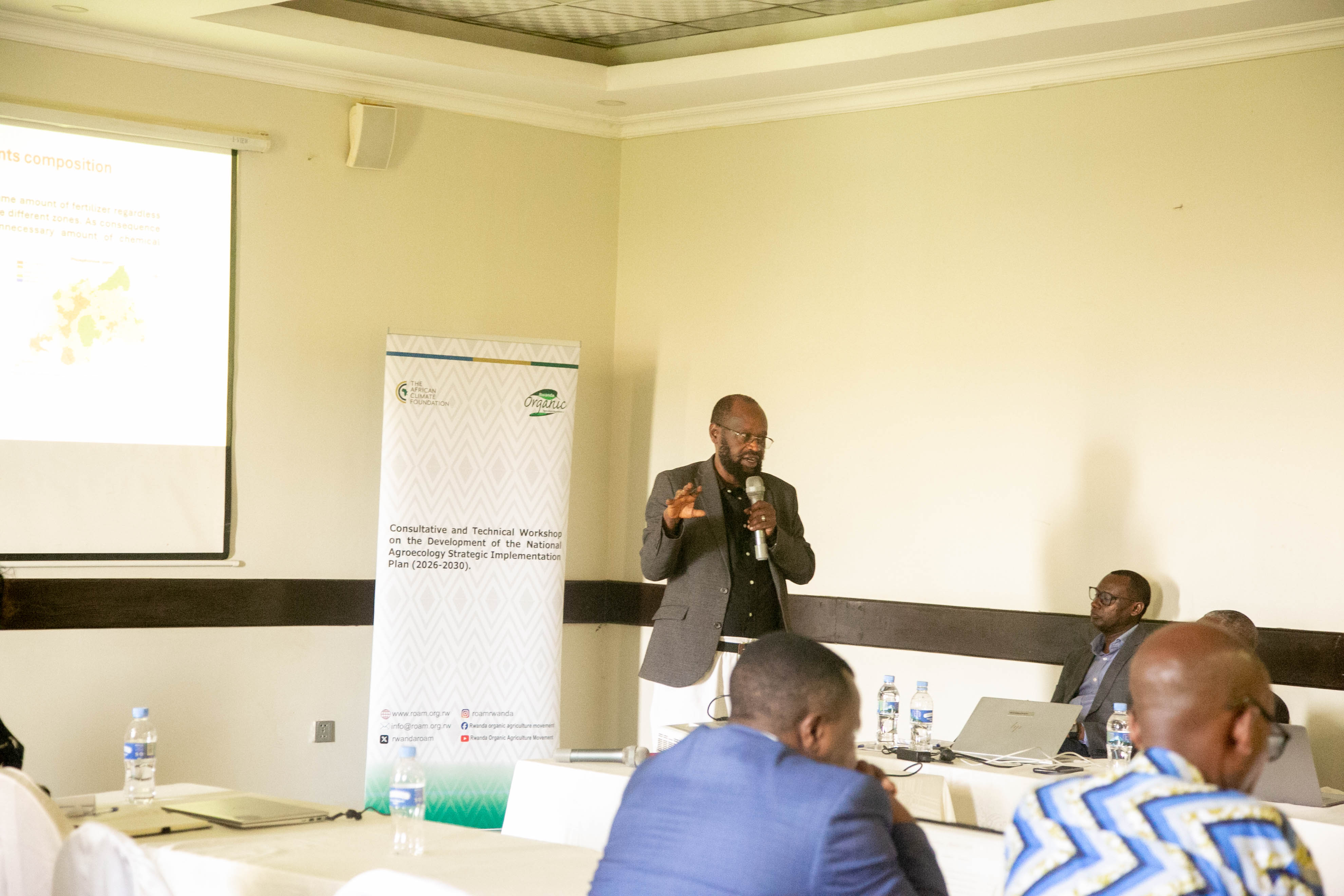
Among the presentations shared during workshop, Professor Bizuru Elias, shared findings from extensive research entitled Agroecology in Rwanda Status, Opportunities and Challenges. The research was conducted across eight districts (Gisagara, Rubavu, Gicumbi, Nyamasheke, Musanze, Bugesera, Nyaruguru and Huye) in Rwanda, involved more than 2,600 respondents. The research findings illustrate a clear picture of both the opportunities and challenges facing Rwanda’s agricultural systems. It highlights pressing concerns such as soil degradation, declining biodiversity, risks of pesticide used, and the long-term sustainability of current farming practices.He emphasized the opportunity and importance of integrating organic and chemical fertilizers in a balanced way, restoring indigenous tree species, promoting biodiversity, and strengthening sustainable land management practices rooted in both science and traditional knowledge. He further stressed the critical role of pollinators in food production, noting that ecosystem health is directly linked to agricultural productivity and national food security.
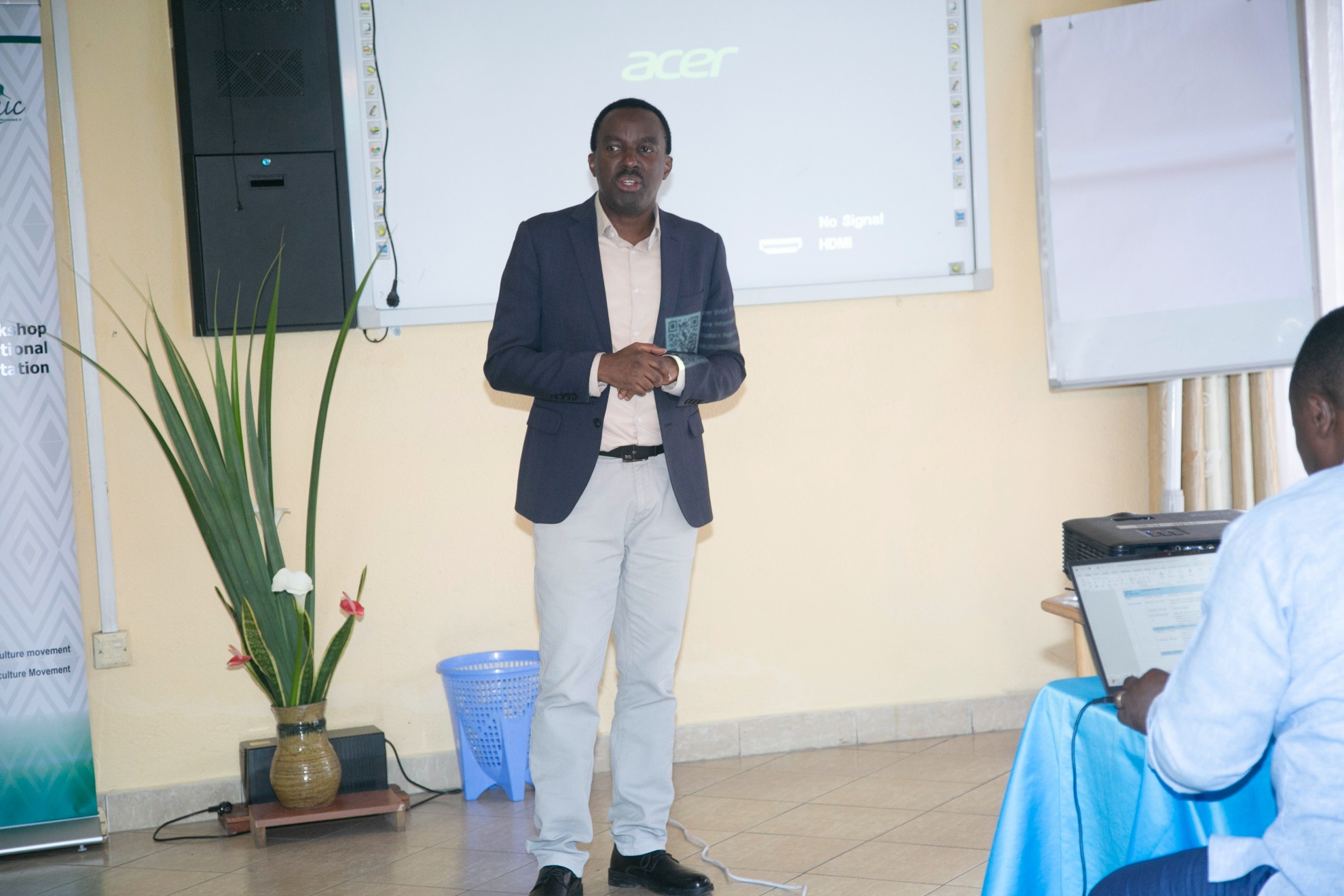
In his official opening of the workshop, Director General of Agriculture Modernization Dr. Patrick Karangwa, clarified an important point that agroecology does not mean the complete elimination of use of chemical fertilizers but rather promotes their responsible and balanced use alongside organic inputs to restore soil health and improve long-term productivity.
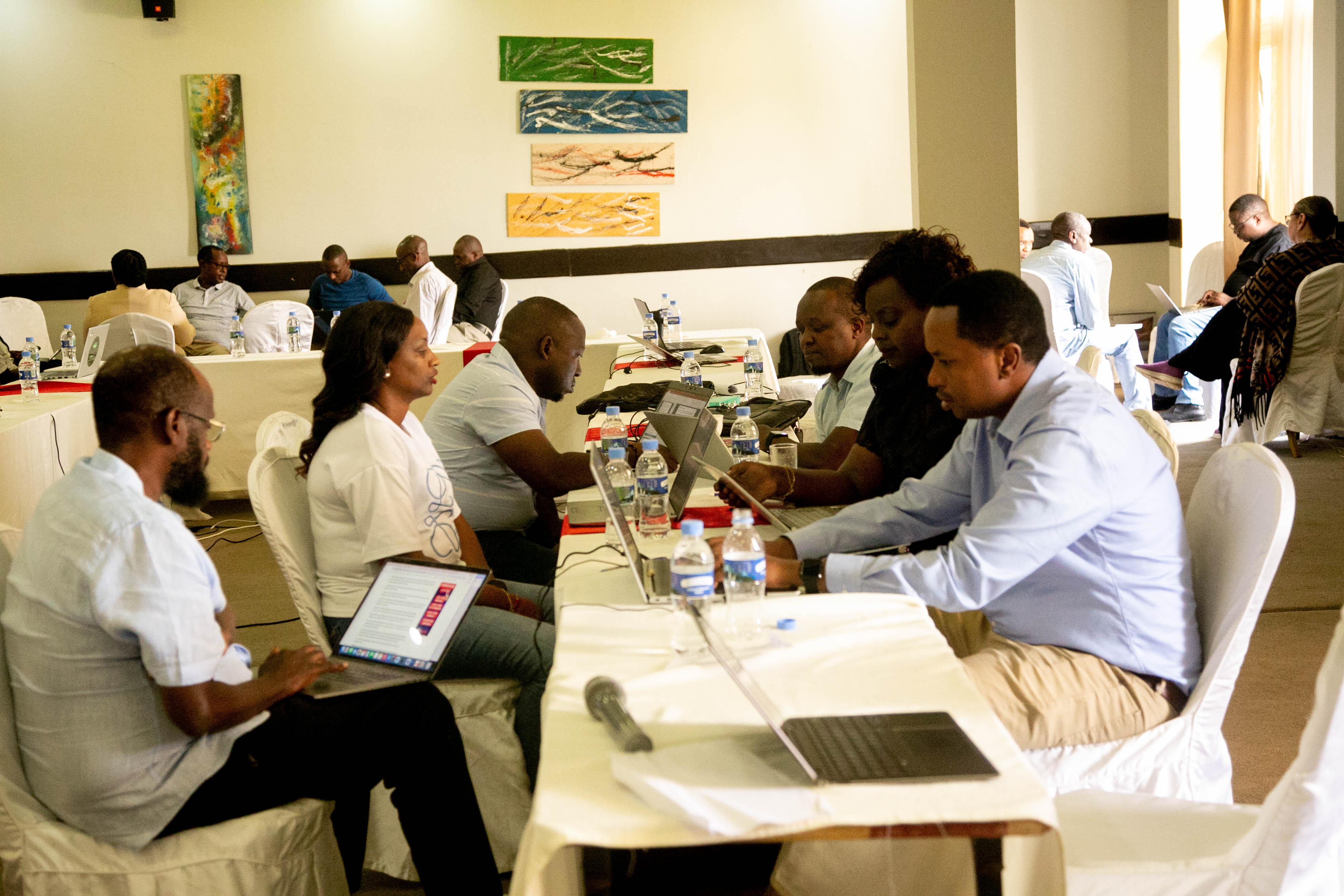
Participants were engaged in group discussions focusing on three key principles of agroecology,
- Economic and political principles
- Social and cultural principles
- Environmental and ecological principles
The conversations reflected strong engagement and a shared commitment to shaping a practical and inclusive agroecology pathway for Rwanda. The purpose of the group work and selected subject for discussion was to discuss about the relevance of these agroecology principles and their contribution in addressing the challenges the Rwanda food system is facing and agreed that the availability of the strategy and its implementation plan will be part of the solutions that are needed for food system transformation.
Comments (0)
Be the first to comment.
Leave a comment